In this guide
Quick answer
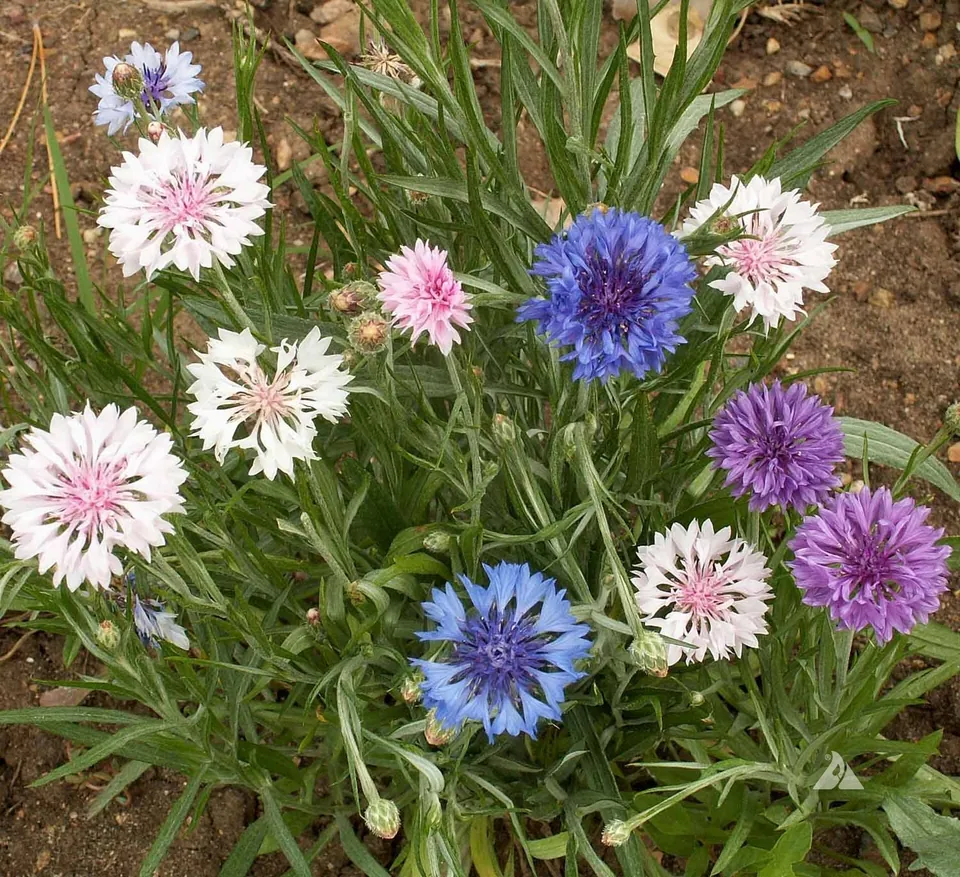
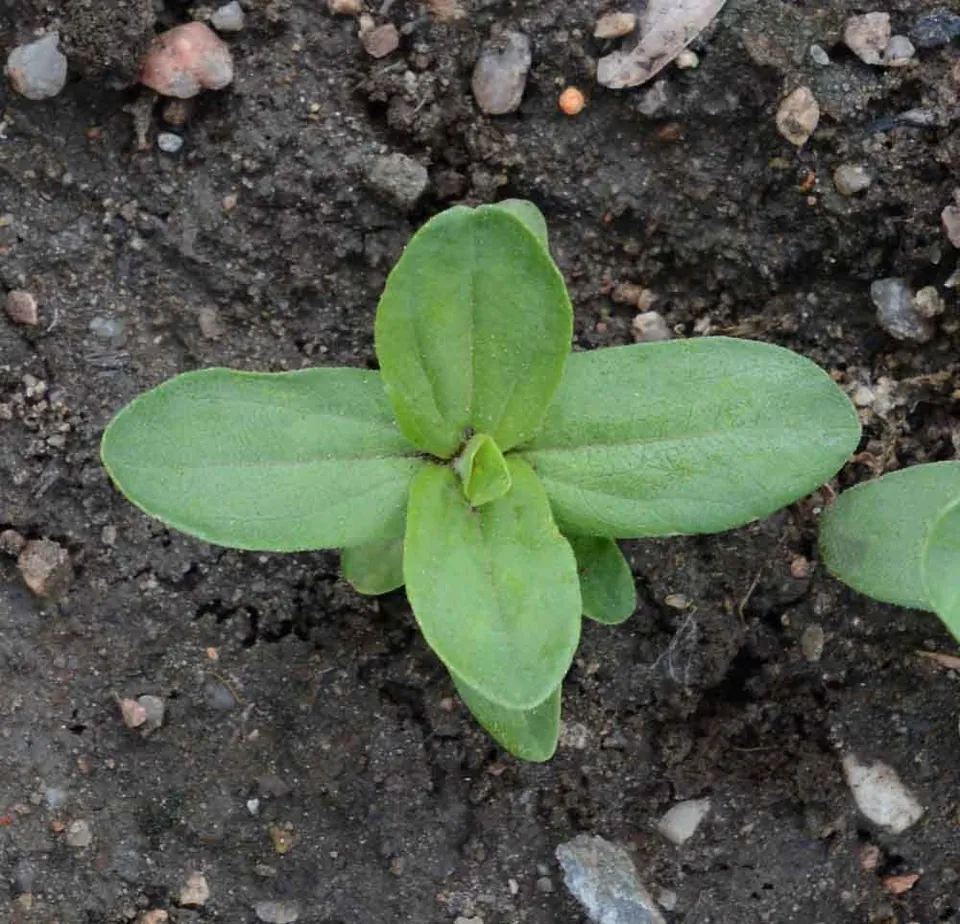
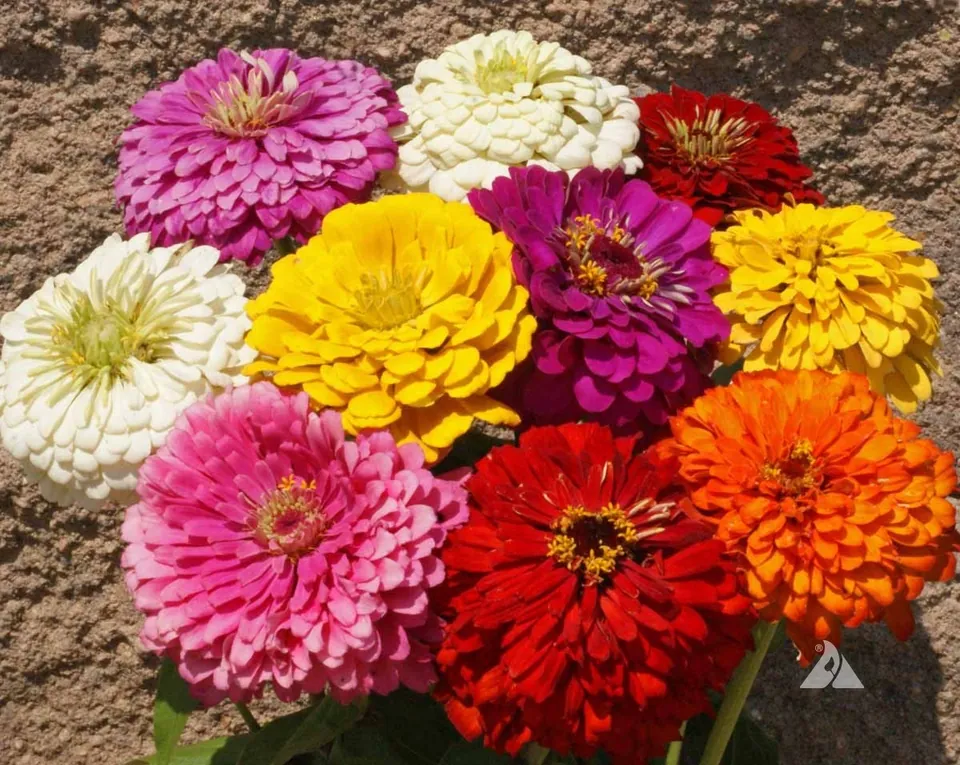
Plant a mix of flower shapes that bloom in sequence from late spring to frost, in clumps of at least 3 of the same plant, in full sun, with no insecticides. Easy seeds to start with: cosmos, zinnias, sunflowers, black-eyed Susan, calendula, cornflowers and bergamot. Add foxglove and columbine if you want bumblebees and hummingbirds.
Pollinators don't care how neat a garden looks. They care about three things: a steady supply of flowers, flowers shaped so they can reach the nectar and pollen, and a garden that won't poison them. A seed-grown garden can do all three in its first summer.
Match flower shapes to the visitors you want
| Visitor | Likes | Good flowers to grow from seed |
|---|---|---|
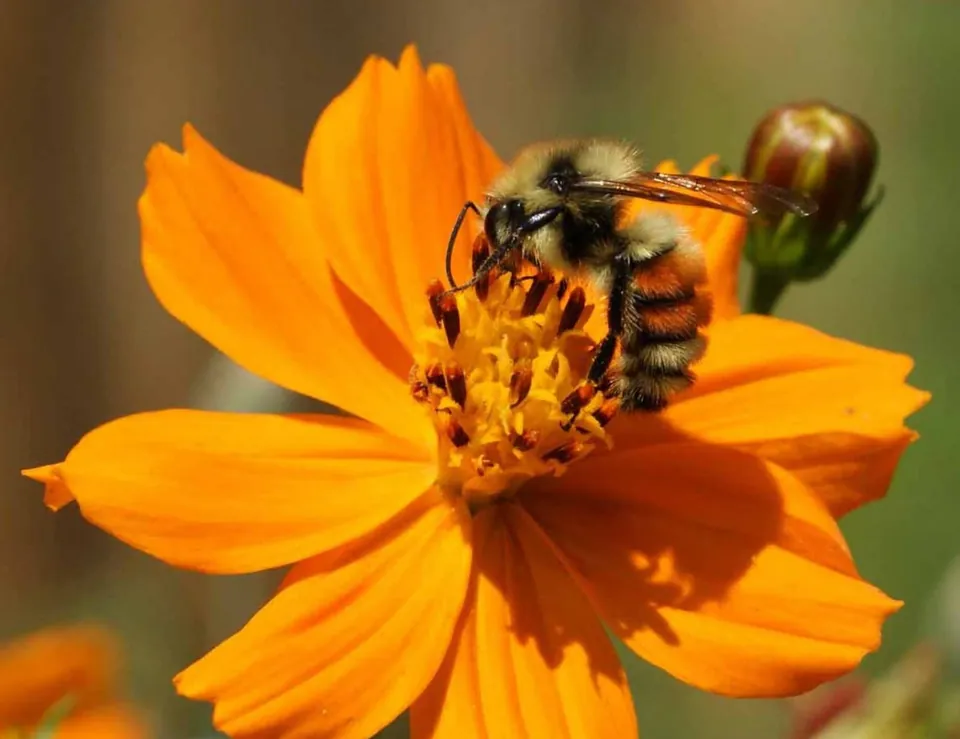
| Honeybees and small native bees | Open, flat or daisy-shaped flowers | Cosmos, calendula, sulphur cosmos, black-eyed Susan, shasta daisy, painted daisy, marigolds |
| Bumblebees | Tubes and hoods they can climb into | Foxglove, bergamot (monarda), sunflowers, cornflowers |
| Butterflies | Flat landing pads, clusters of small flowers | Zinnias, annual phlox, cosmos, black-eyed Susan |
| Hummingbirds | Long tubes in red, orange, purple | Bergamot, columbine, morning glory, four o'clocks |
| Moths (night) | Pale, evening-opening, fragrant | Four o'clocks, white cosmos (Purity) |
A garden with several of these shapes feeds far more species than a bed of one flower.
Plan blooms from spring to fall
Most pollinator gardens fail in one of two gaps: early spring and late summer. Cover both.
- Late spring to early summer: calendula, cornflowers, California poppies, corn poppies, Johnny jump ups (sow early; they like cool weather). Columbine and foxglove bloom in this window from their second year.
- Midsummer: zinnias, cosmos, sunflowers, bergamot, black-eyed Susan, phlox.
- Late summer to frost: zinnias and cosmos keep going if you deadhead, marigolds, sulphur cosmos, a late sowing of sunflowers, and calendula once the heat breaks.
Annuals first, perennials alongside
Annuals bloom the first summer and give you fast results. Perennials take a year to settle in but come back every year with no replanting. Sow both in the first season:
- Annuals (bloom year 1): zinnias, cosmos, sunflowers, marigolds, calendula, cornflowers, phlox, poppies, nasturtium.
- Perennials and biennials (best from year 2): bergamot, columbine, shasta daisy, foxglove (biennial), black-eyed Susan (often blooms year 1 if started early indoors).
How to plant it
- Pick the sunniest spot you have. Six or more hours of direct sun. Most pollinator flowers bloom poorly in shade, and bees prefer flowers in the sun.
- Clear the grass and weeds completely. Seedlings can't compete with established turf.
- Plant in clumps, not single plants. A patch of 3-5 of the same flower is easier for bees to find and work than one plant here and there.
- Put tall plants at the back (sunflowers, cosmos, foxglove, bergamot), medium in the middle (zinnias, black-eyed Susan, shasta daisy), and short at the front (marigolds, phlox, calendula, Johnny jump ups).
- Sow cool-season flowers early (cornflowers, poppies, calendula: 2-4 weeks before last frost) and warm-season flowers after frost (zinnias, cosmos, sunflowers, marigolds).
- Start perennials indoors 8-10 weeks before last frost, or sow them outdoors in fall so winter cold helps them sprout. Bergamot, columbine and shasta daisy need light to germinate: press the seed onto the soil and don't bury it.
Separate packets vs. a wildflower mix
Scattering a wildflower mix is quick, but the varieties in a mix need different planting depths and times, so a few types usually take over and the rest never show. Separate packets let you sow each flower at the right time and depth and put it exactly where you want it. You can still create a loose, meadow look by mixing the seedlings when you plant out.
Keep it safe for pollinators
- Skip insecticides, including "natural" ones like neem and pyrethrin on open flowers. If you must treat a pest, spray in the evening when bees are gone, and only the affected plant.
- Leave some bare soil. Most native bees nest in the ground.
- Leave stems standing over winter. Hollow stems shelter overwintering insects. Cut them back in spring.
- Add shallow water with a few stones in it so bees can land.
Toxic plants to know about
Foxglove is poisonous if eaten (all parts), and four o'clock and morning glory seeds are too. They're safe to grow and great for pollinators, but plant them away from where small children play and keep pets from chewing them.
Want blooms for the house as well? Most of these flowers cut well, and our cut flower garden plan shows how to grow extra for bouquets. To check which seeds to start early, see the indoor vs. direct-sow chart.
Frequently asked questions
When should I plant a pollinator garden from seed? Cool-season flowers 2-4 weeks before your last spring frost, warm-season flowers right after it. Perennials can also go in during fall in most areas.
Will a pollinator garden bring monarch butterflies? Adult monarchs feed on many nectar flowers here, including zinnias, cosmos and black-eyed Susan. To raise monarchs, though, you also need milkweed, the only plant their caterpillars eat.
How big does a pollinator garden need to be? Any size helps. Even a few large pots of zinnias, cosmos and marigolds on a patio feed bees and butterflies. A 4 x 8 foot bed with 8-10 kinds of flowers makes a real difference to local pollinators.