Quick answer
Start slow, small-seeded flowers and perennials indoors (columbine, foxglove, shasta daisy, bergamot, coleus, Johnny jump ups) 8-10 weeks before your last frost. Sow fast annuals and anything with a taproot straight outside (sunflowers, zinnias, cosmos, nasturtiums, poppies, cornflowers). Everything else can go either way.
Two things decide whether a flower should start indoors:
- How long it takes to bloom. Slow growers and perennials need a head start or they won't bloom the first summer.
- How well it handles transplanting. Flowers with a long taproot (poppies, sunflowers, nasturtiums) often sulk or die when moved. Sow those where they'll grow.
All timings below count from your last spring frost date.
The chart
| Flower | Best method | Indoors: weeks before last frost | Outdoors: when | Seed needs light? |
|---|---|---|---|---|
| China aster | Either | 6-8 | After last frost | No, cover lightly |
| African marigold | Either | 6-8 | After last frost | No |
| French marigold | Either | 4-6 | After last frost | No |
| Sunflower (all types) | Sow outside | Not needed | After last frost | No |
| Annual baby's breath | Sow outside | Not needed | Around last frost, every 2-3 weeks | No, barely cover |
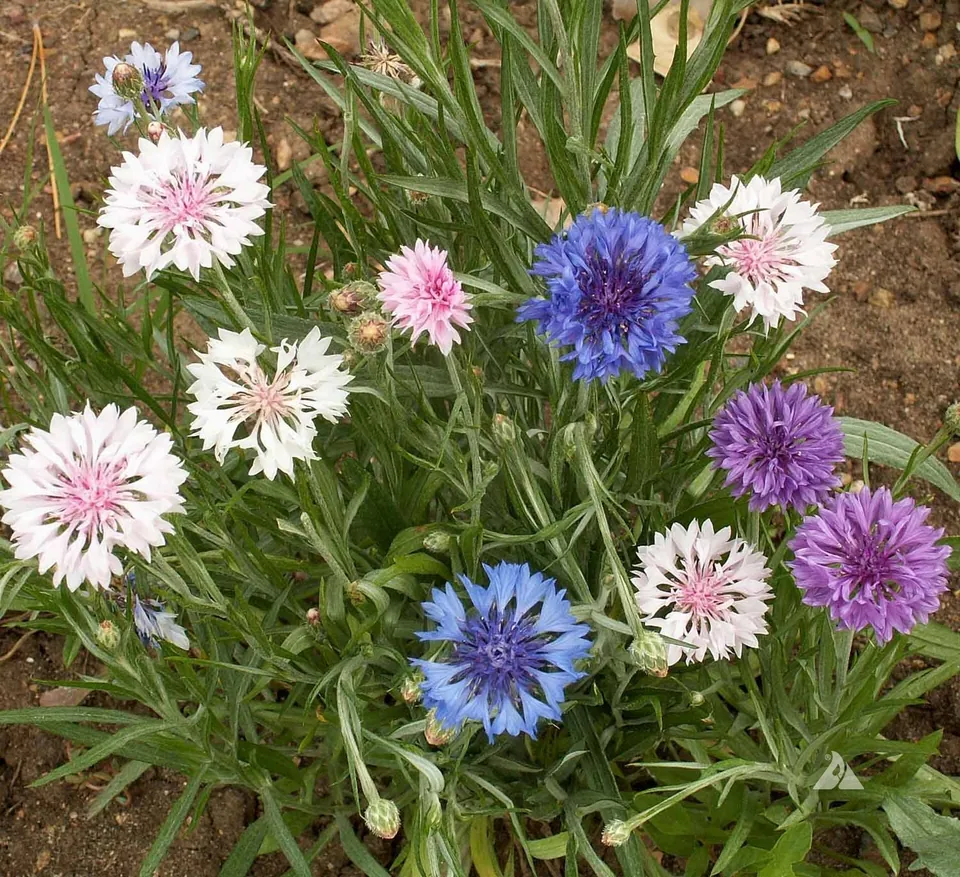
| Cornflower (dwarf and tall) | Sow outside | Not needed | 2-4 weeks before last frost | No, cover |
| Black-eyed Susan | Indoors for first-year blooms | 6-8 | After last frost, or fall | Yes |
| Nasturtium | Sow outside | Not needed | After last frost | No, cover 1/2 inch |
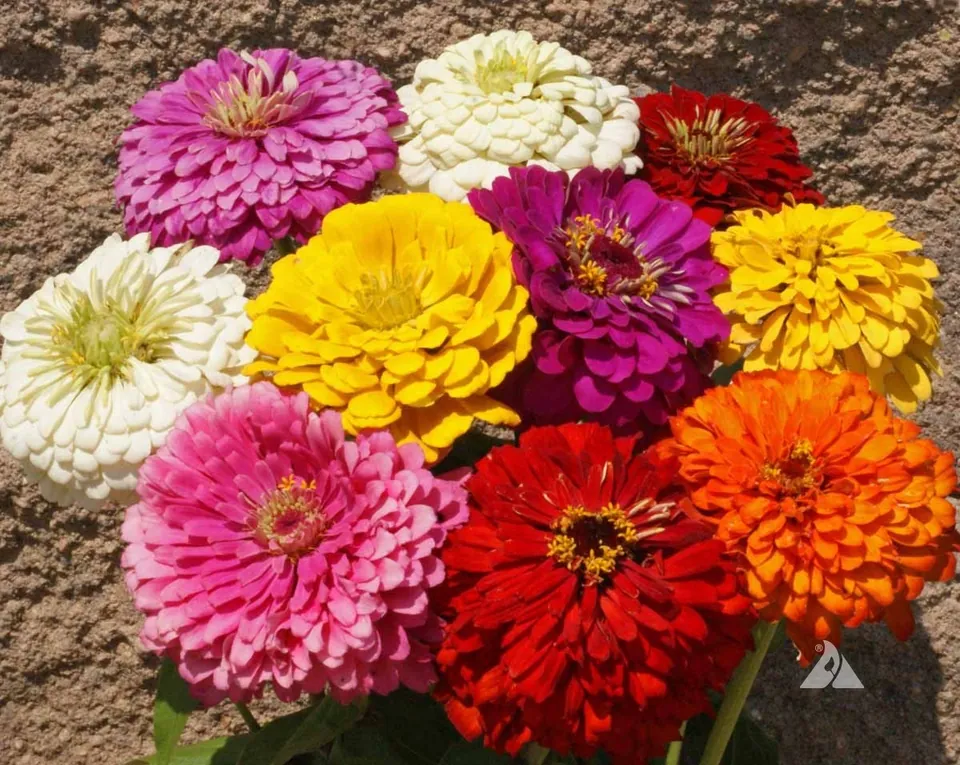
| Zinnia (all types) | Sow outside | 4 (optional) | After last frost | No |
| Annual phlox | Sow outside | Not needed | Around last frost | No, needs dark: cover |
| Calendula | Sow outside | Not needed | Around last frost | No, needs dark: cover |
| Columbine | Indoors | 8-10, after 3-4 weeks cold | Fall | Yes |
| Johnny jump up (viola) | Indoors | 8-10 | Early spring or fall | No, needs dark: cover |
| Morning glory | Sow outside | Not needed | After last frost | No |
| Coleus | Indoors | 8-10 | Transplant 2 weeks after frost | Yes |
| Four o'clock | Either | 4-6 | After last frost | No |
| Foxglove | Indoors, or outside in summer for next year | 8-10 | Late spring to midsummer | Yes |
| California poppy | Sow outside | Not needed | 2-4 weeks before last frost, or fall | No, barely cover |
| Iceland poppy | Either | 8-10 | Early spring or fall | Yes |
| Corn poppy | Sow outside | Not needed | 2-4 weeks before last frost, or fall | Yes |
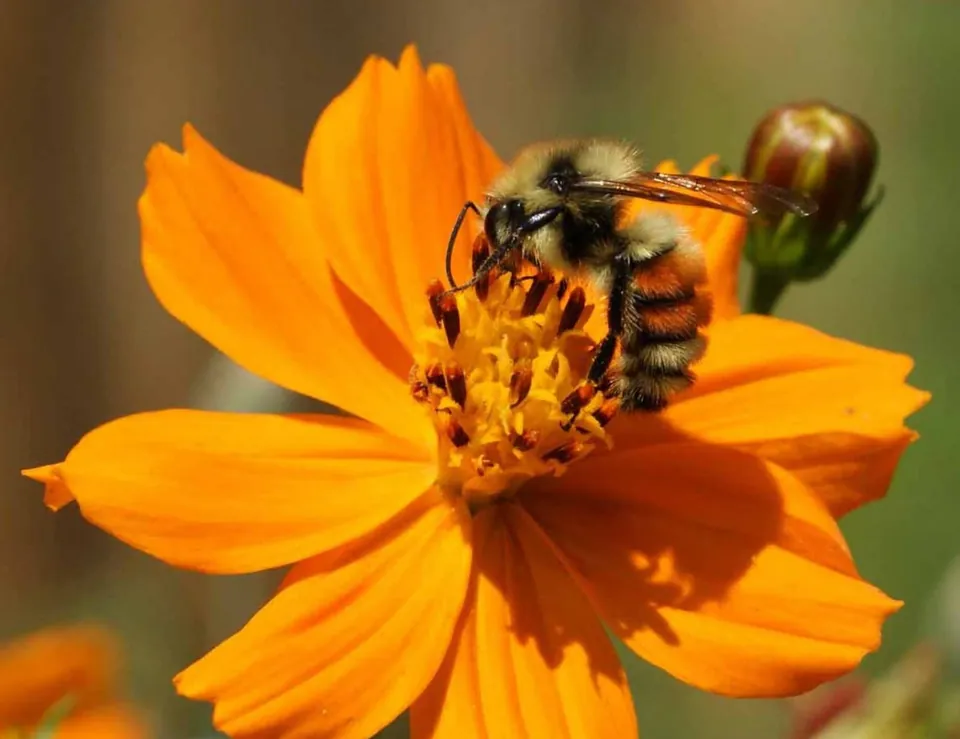
| Cosmos (all types) | Sow outside | 4 (optional) | After last frost | No |
| Shasta daisy | Indoors | 8-10 | After last frost | Yes |
| Painted daisy | Either | 6 | Around last frost | No |
| Bergamot (monarda) | Indoors | 8-10 | Fall or early spring | Yes |
"Needs light" means press the seed onto the surface of the mix and don't cover it, or cover with only a dusting of vermiculite. "Needs dark" means cover it fully; some flowers sprout poorly in light.
Notes on the tricky ones
Columbine and bergamot sprout better after a cold spell. Mix the seed with a spoonful of damp sand or put it in a damp paper towel, seal it in a bag, and keep it in the refrigerator for 3-4 weeks before sowing. Or sow outdoors in fall and let winter do it.
Morning glories and nasturtiums have hard seed coats. Soak them overnight in warm water before sowing and they'll come up days sooner. Some gardeners also nick the morning glory seed coat with a nail file.
Poppies have fine seed and hate being moved. Mix the seed with a little sand, scatter it on bare soil in early spring (or fall), and press it in. Thin seedlings instead of transplanting them.
Foxglove is a biennial: plants grown this summer usually bloom next summer. Starting indoors very early sometimes gets first-year flowers, but plan on year two.
Coleus is grown for its leaves, not flowers, and loves warmth. Keep seed trays at 70-75°F and don't plant outside until nights stay above 55°F.
Indoor seed-starting basics
- Use a fine, fresh seed-starting mix, not garden soil.
- Bottom heat (a seedling mat) speeds up zinnias, marigolds, coleus and other warm-season flowers.
- Put seedlings 2-4 inches under a shop light or grow light for 14-16 hours a day. A windowsill alone usually makes leggy, floppy seedlings.
- Run a small fan or brush the tops of seedlings with your hand daily for sturdier stems.
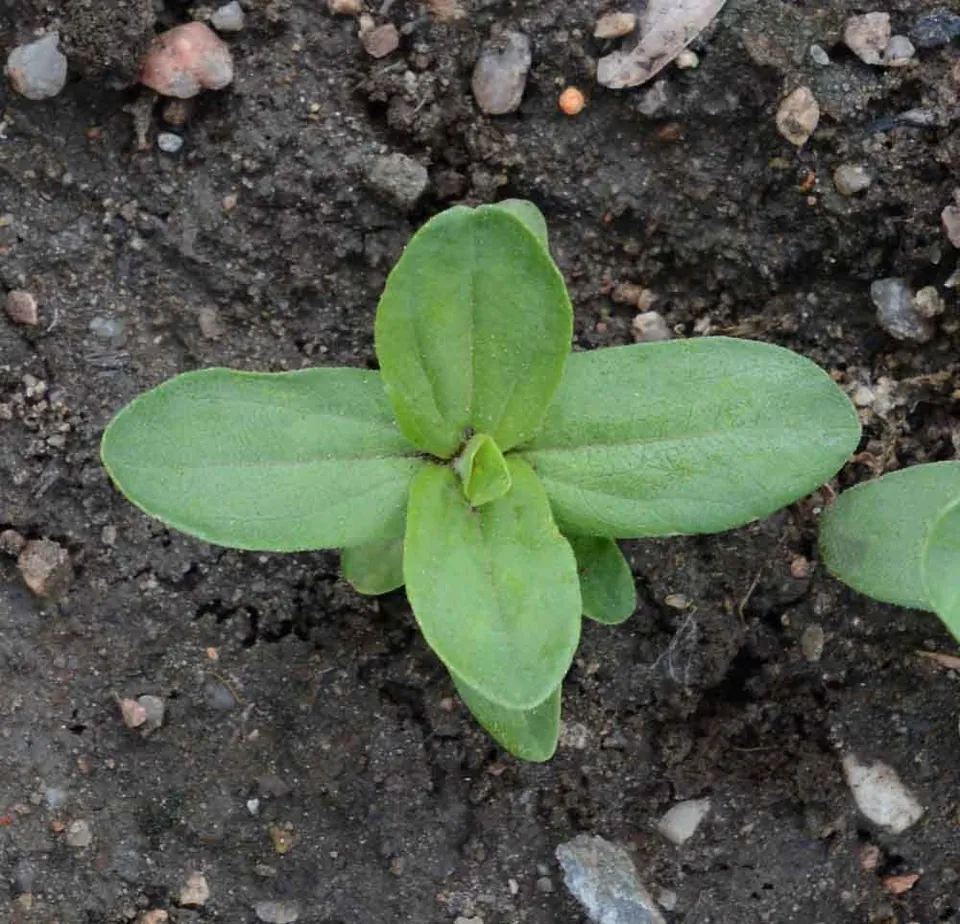
- Harden off for 7-10 days before planting out: start with an hour outside in shade and work up to full sun and nights outdoors.
Once you know when to sow, put the flowers to work: plan a cut flower garden for bouquets or a pollinator garden for bees and butterflies.
Frequently asked questions
What's the risk of starting flowers indoors too early? Seedlings outgrow their pots, get root-bound and leggy, and often stall after transplanting. A flower started 4 weeks early that goes out on time usually beats one started 10 weeks early.
Can I sow everything outside instead? Yes, except that slow perennials (columbine, shasta daisy, bergamot) and coleus probably won't bloom the first summer. If you're patient, sowing perennials outdoors in fall is the easiest method of all.
What does "around last frost" mean if I don't know my date? Search for your ZIP code's average last frost date on your state extension site or a frost-date calculator. If in doubt, wait until nights stay above 50°F for warm-season flowers.