In this guide
Quick answer
Pick flowers that match how the person gardens. Zinnias, cosmos, marigolds and sunflowers suit beginners. Give a cut-flower grower long-stemmed zinnias, cosmos and cornflowers; a pollinator fan bergamot, black-eyed Susan and cosmos; a patio gardener dwarf types like Thumbelina zinnia and Dwarf Jewel nasturtium. Add a planting date or two, keep the seeds cool and dry, and they'll be ready to sow in spring.
Seeds are one of the few gifts that keep giving for months. They're also easy to get wrong: a packet of something fussy, or a bag of seed with no idea when to plant it, often ends up in a drawer. The fix is simple. Match the flowers to the person, and include enough timing help that they know what to do in March.
Match the seeds to the gardener
| Who it's for | Flowers to give | Why |
|---|---|---|
| Total beginner | Zinnias, cosmos, French marigolds, sunflowers | Big seeds, fast sprouting, sown straight in the garden |
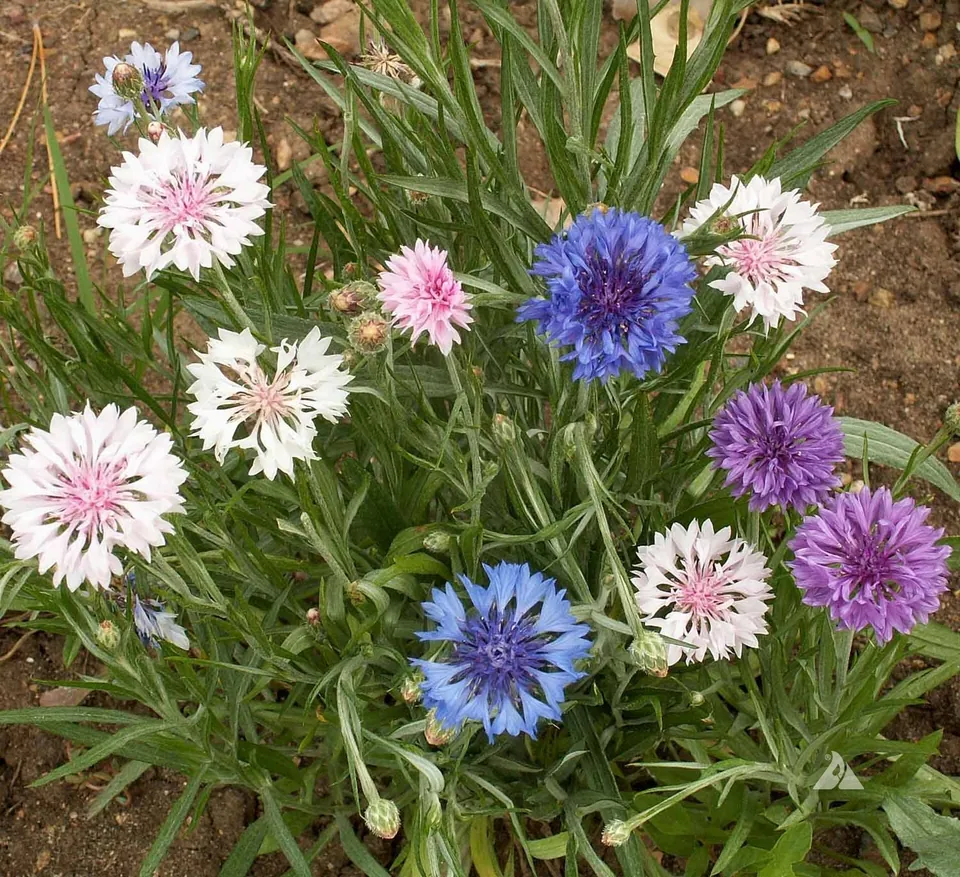
| Cut-flower grower | Zinnia Dahlia Flowered Mix, Cosmos Sensation Mix, Cornflower Tall Mixed, China Aster Powder Puff | Long stems that bloom more the more you cut |
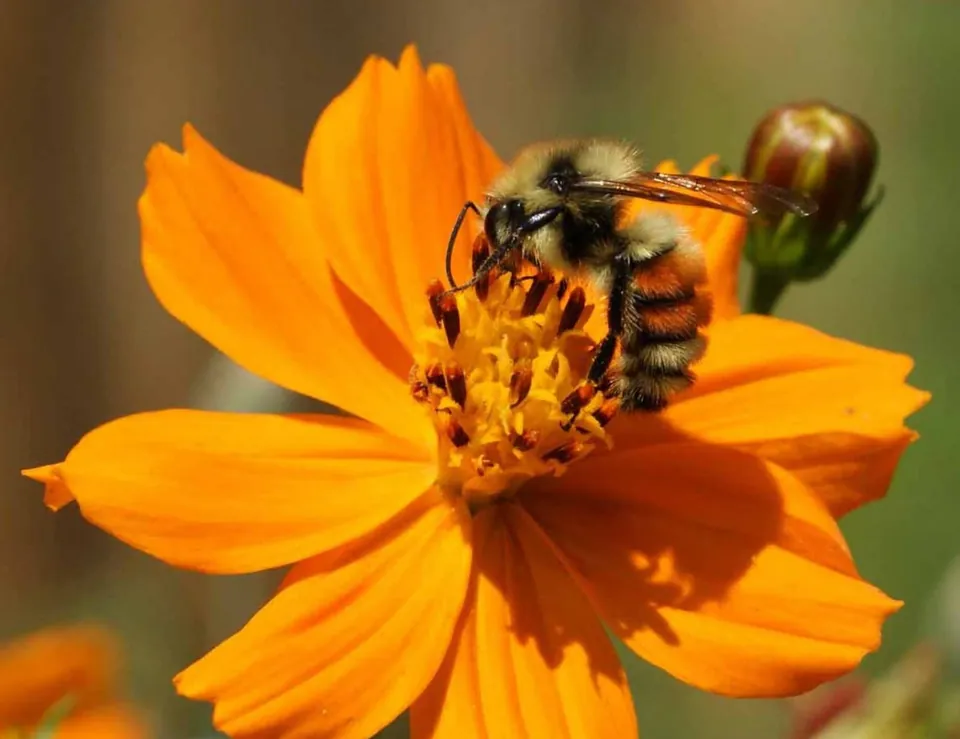
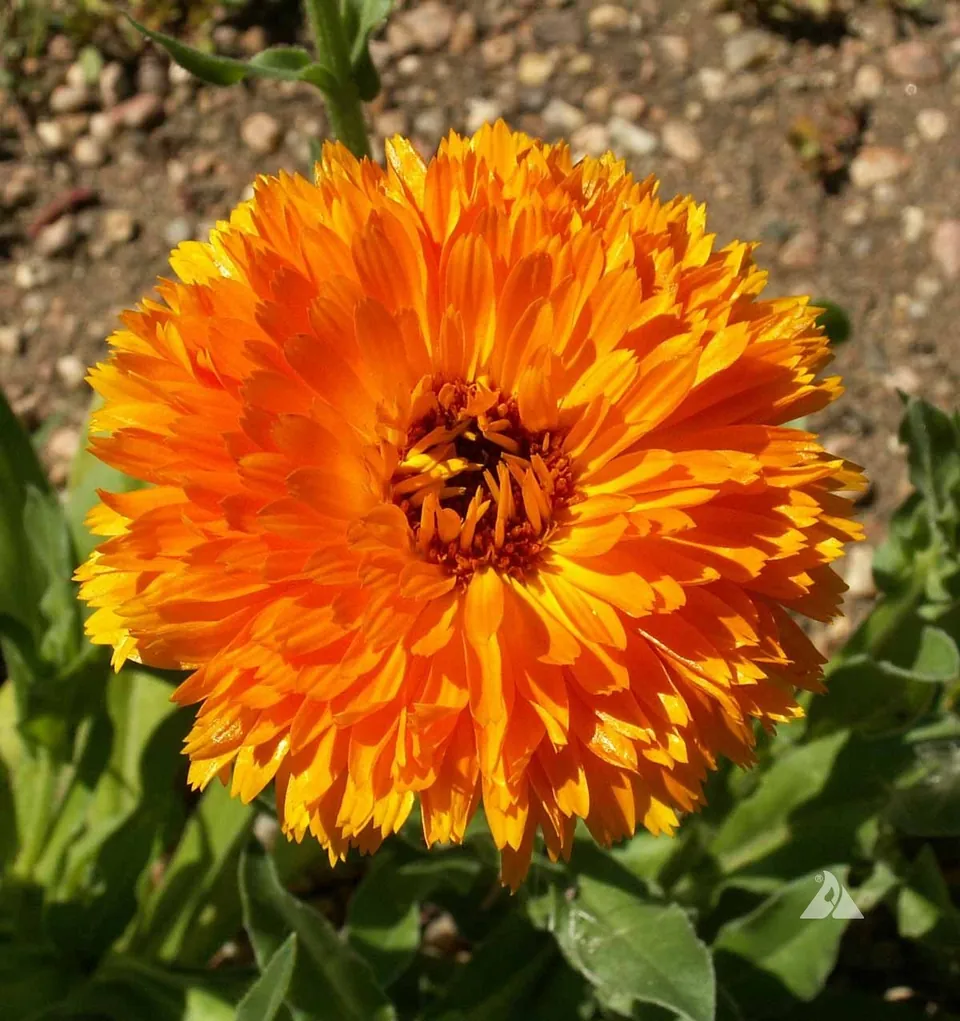
| Pollinator fan | Bergamot, Black Eyed Susan, cosmos, zinnias, calendula | Open flowers bees and butterflies use |
| Patio or balcony | Zinnia Thumbelina, Nasturtium Dwarf Jewel, French Marigold Dainty Marietta, Johnny Jump Up | Stay compact in pots |
| Families with kids | Sunflowers (Henry Wilde, Grey Stripe), zinnias, marigolds | Quick, big results; seeds easy for small hands |
| Cottage garden lover | Foxglove, Columbine Blue, Shasta Daisy Alaska, Iceland poppy | Old-fashioned perennials and biennials |
If you don't know the person's style, a mixed collection is the safe choice. They can sort the packets themselves and try a little of everything in the first year.
What to add to the seeds
A few small extras turn seeds into a gift someone can start with:
- A note with their last frost date. Most planting times hang off this one date. Look up their town, write it on the card, and add "zinnias and cosmos: sow 1-2 weeks after this date."
- Seed-starting mix and a cell tray for anyone who'll start flowers indoors. Garden soil is too heavy for seed trays.
- Plant markers and a pencil. Pencil lasts outdoors far better than most markers.
- Floral snips for a cut-flower grower. Clean cuts keep stems lasting longer in the vase.
- A small notebook to record what they sowed and when. Next year's garden gets better because of it.
How to put the gift together
- Choose 6-10 flowers if you're making your own selection. More than that can overwhelm a beginner; a full collection works better for someone with space.
- Sort them into "sow outside" and "start indoors." Zinnias, cosmos, sunflowers, nasturtiums and marigolds go straight in the ground after frost. Foxglove, coleus and Johnny Jump Up are usually started indoors weeks earlier. Our indoor vs. direct-sow chart lists all 35.
- Write the timing on the card. One line per group is enough.
- Pack it dry. Use a paper or cardboard box. Avoid sealing seed packets in damp tissue or plastic with moisture inside.
- Add a safety note if the household has small children or pets and you've included foxglove, four o'clock or morning glory (see below).
Keeping seeds fresh until spring
Seeds given in December won't be sown until spring, so storage matters. Keep them cool, dark and dry. A closet shelf or a sealed jar in the fridge both work. Heat and humidity are what shorten seed life, so don't leave the gift in a hot car or a damp garage. Stored well, the seeds will easily keep until planting time.
A few flowers can start before spring
Some flowers in the kit like cold, which gives an eager gardener something to do in winter:
- Columbine sprouts better after a cold spell. Mix the seed with a little damp sand or a damp paper towel, seal it in a bag, and keep it in the fridge for 3-4 weeks before sowing indoors.
- California poppies and corn poppies can be scattered outdoors in late fall or very early spring, on bare soil. They don't transplant well, so sow them where they'll bloom.
- In mild-winter areas (roughly zones 8-10), calendula, cornflowers and California poppies are often sown in fall for early spring flowers. In cold climates, wait until spring.
Safety notes for households with kids or pets
All the seeds in our kit are for ornamental gardening only. None of them are meant to be eaten. A few are worth a specific warning on the card:
- Foxglove: every part of the plant is toxic. Plant it away from play areas.
- Four O'Clock: the seeds and roots are toxic.
- Morning Glory Grandpa Ott: the seeds are toxic. Keep seed packets out of reach.
If that's a concern for the family you're giving to, leave those three out and stick with zinnias, cosmos, marigolds and sunflowers.
Problems and fixes
- The recipient has no garden. Choose container flowers: Thumbelina zinnias, Dwarf Jewel nasturtiums and French marigolds bloom happily in 8-12 inch pots on a sunny balcony.
- They have shade, not sun. Most flowers in the kit need 6+ hours of sun. Coleus Rainbow Mix is grown for its colorful leaves and takes part shade, and Johnny Jump Up tolerates some shade too.
- They're not sure when to plant. That's what the frost-date note solves. If you skipped it, point them to the chart linked above.
- The seeds got damp. If packets got wet and dried out again, sow them in spring anyway and plant a few extra. Seeds that sat wet for days may have rotted or sprouted and won't be usable.
For a recipient who loves arranging flowers, pair the seeds with our cut flower garden plan; for someone who wants more bees and butterflies, the pollinator garden guide shows how to lay one out from seed.
Frequently asked questions
Will flower seeds bought in winter still grow in spring? Yes. Kept cool and dry, flower seeds stay good well past one season. Most of the common annuals, like zinnias, cosmos and marigolds, keep for several years under good storage.
What's the easiest flower seed gift for a beginner? Zinnias, cosmos, French marigolds and sunflowers. They have large seeds, sprout in about a week in warm soil, and are sown straight into the garden after the last frost, so no indoor setup is needed.
Are any of these flowers unsafe for kids or pets? Foxglove (all parts), four o'clock (seeds and roots) and morning glory seeds are toxic. All of our flower seeds are ornamental only and should never be eaten. Plant the toxic ones out of reach of small children and pets, or leave them out of the gift.