In this guide
Quick answer
Shasta daisy, columbine, bergamot and black-eyed Susan are reliable perennials from seed. Start them indoors 8-10 weeks before your last spring frost, or sow them outside in late fall and let winter do the work. Press the tiny seed onto the soil surface instead of burying it, and give columbine and bergamot 3-4 weeks of cold first. Expect leaves the first year and full flowers from the second summer. Black-eyed Susan often blooms the first year if you start it early.
A perennial grown from seed costs a few cents instead of several dollars a pot, and you can raise a whole drift of one plant for the price of a single nursery container. The trade-off is time. Most perennials spend their first season building roots and leaves, then flower properly the next year and for years after.
Perennials from seed at a glance
| Flower | Lifespan | Cold first? | Blooms from | Bloom time |
|---|---|---|---|---|
| Shasta Daisy Alaska | Perennial | Not needed | Usually year 2 | Early to late summer |
| Columbine Blue | Short-lived perennial | Yes, 3-4 weeks | Year 2 | Late spring to early summer |
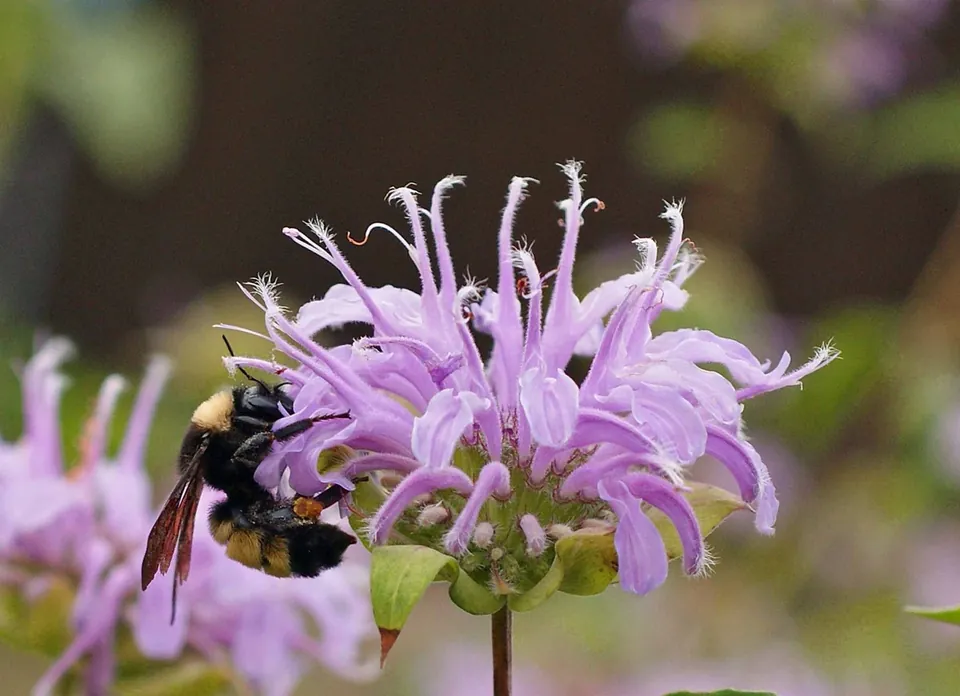
| Bergamot (wild bergamot) | Perennial, spreads | Yes, 3-4 weeks | Usually year 2 | Midsummer |
| Black Eyed Susan | Short-lived perennial or biennial | Not needed | Often year 1 if started early | Midsummer to fall |
| Johnny Jump Up Helen Mount | Short-lived, reseeds | Not needed | Year 1 | Cool weather, spring and fall |
| Foxglove | Biennial | Not needed | Year 2 | Late spring to early summer |
Winter hardiness depends on your zone and your soil drainage. Shasta daisy, columbine, bergamot and black-eyed Susan are hardy across most of the US. "Short-lived" means a plant may last only 2-4 years, but these usually drop seed and replace themselves if you leave a few flowers to ripen.
Foxglove isn't a true perennial. It is a biennial: leaves the first summer, flowers the second, then it sets seed and dies. It belongs on this list because it behaves like a perennial once it starts reseeding.
Perennials, short-lived perennials and tender perennials
Not every flower sold as a perennial will come back for you. Three groups are worth knowing apart:
- Hardy perennials come back every year in cold winters: shasta daisy and bergamot are the long-lived ones in our kit.
- Short-lived perennials live a few years and keep the patch going by reseeding: columbine, black-eyed Susan, Johnny jump ups.
- Tender perennials are perennial only where winters are mild, and are grown as annuals everywhere else: four o'clocks, coleus and California poppies. Four o'clocks form tuberous roots that some gardeners dig up in fall and store indoors, like dahlias.
When to sow perennial seeds
You have two good windows.
Late winter, indoors. Sow 8-10 weeks before your last frost. This gives the plants a long first season, and a well-grown seedling can sometimes flower lightly in late summer. Count back another 4 weeks before that if you plan to cold-treat columbine or bergamot. Our flower planting calendar by zone shows how to count back from your frost date.
Late fall, outdoors. Sow after the soil has cooled but before it freezes hard. The seed sits through winter, gets its cold spell naturally, and sprouts when the soil warms. This is the least work of any method and suits columbine, bergamot and black-eyed Susan especially well. Mark the spot so you don't weed out the seedlings in spring.
Foxglove is the exception: sow it outdoors from late spring to midsummer for flowers the following year.
How to start perennials indoors, step by step
- Cold-treat columbine and bergamot. Mix the seed with a spoonful of damp sand, or fold it into a damp paper towel, seal it in a bag and keep it in the refrigerator for 3-4 weeks.
- Fill trays with damp seed-starting mix. Firm it lightly so the surface is level.
- Sow on the surface. Columbine, bergamot, shasta daisy, foxglove and black-eyed Susan seeds are small and sprout better with light. Press them onto the mix and cover with no more than a dusting.
- Cover the tray with a clear lid or plastic to hold moisture, and keep it at room temperature. Remove the cover once seedlings appear.
- Give strong light. Put seedlings 2-3 inches under a grow light for 14-16 hours a day, or in your brightest window. Weak light gives weak, leaning seedlings.
- Pot up into small pots once they have two sets of true leaves.
- Harden off and plant out after your last frost: a week of gradually longer time outside, then plant in their final spot. Space shasta daisy and bergamot about 18-24 inches apart, columbine and black-eyed Susan about 12-18 inches.
Our indoors or direct sow chart lists the right method for every flower in the kit.
The first year
Perennials grown from seed look modest in year one: a clump of leaves, maybe a few late flowers. That is normal. Water them through dry spells, keep weeds from crowding them, and don't feed heavily. In fall, leave the clumps in place; cut back dead stems in late winter or early spring. In the coldest zones, a light mulch of shredded leaves after the ground freezes helps young plants through their first winter.
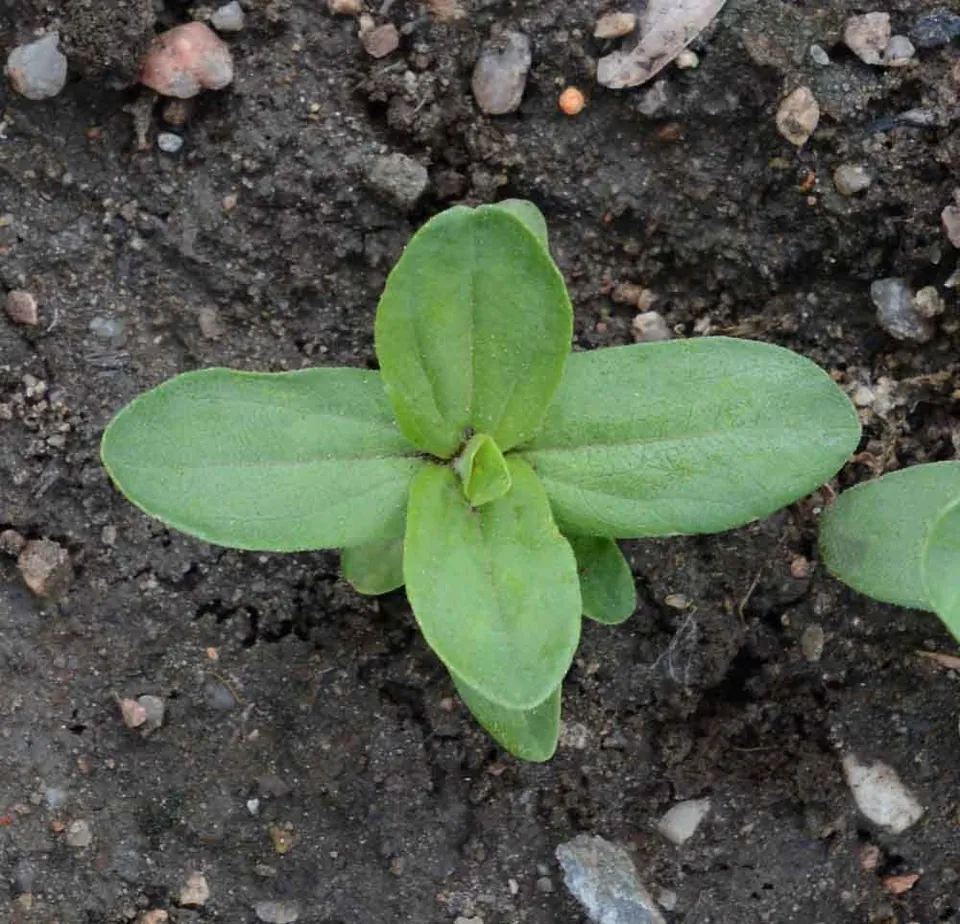
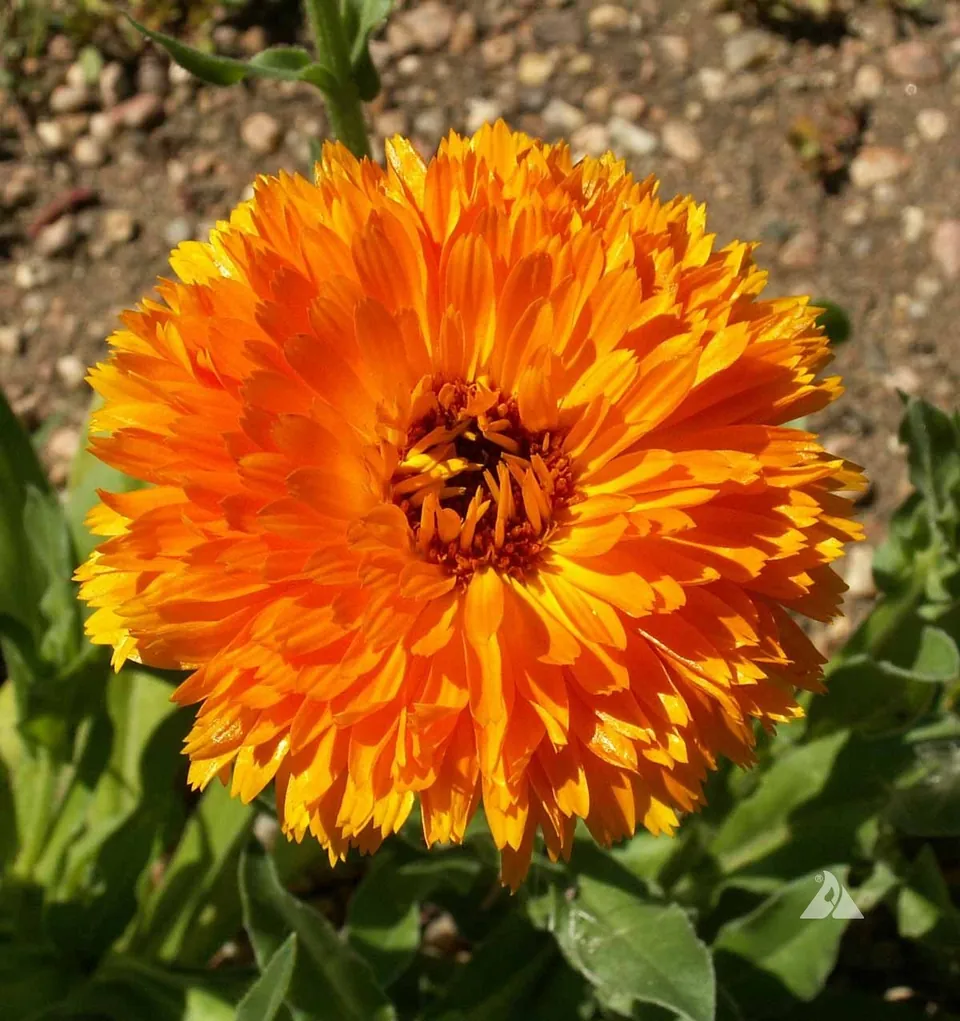
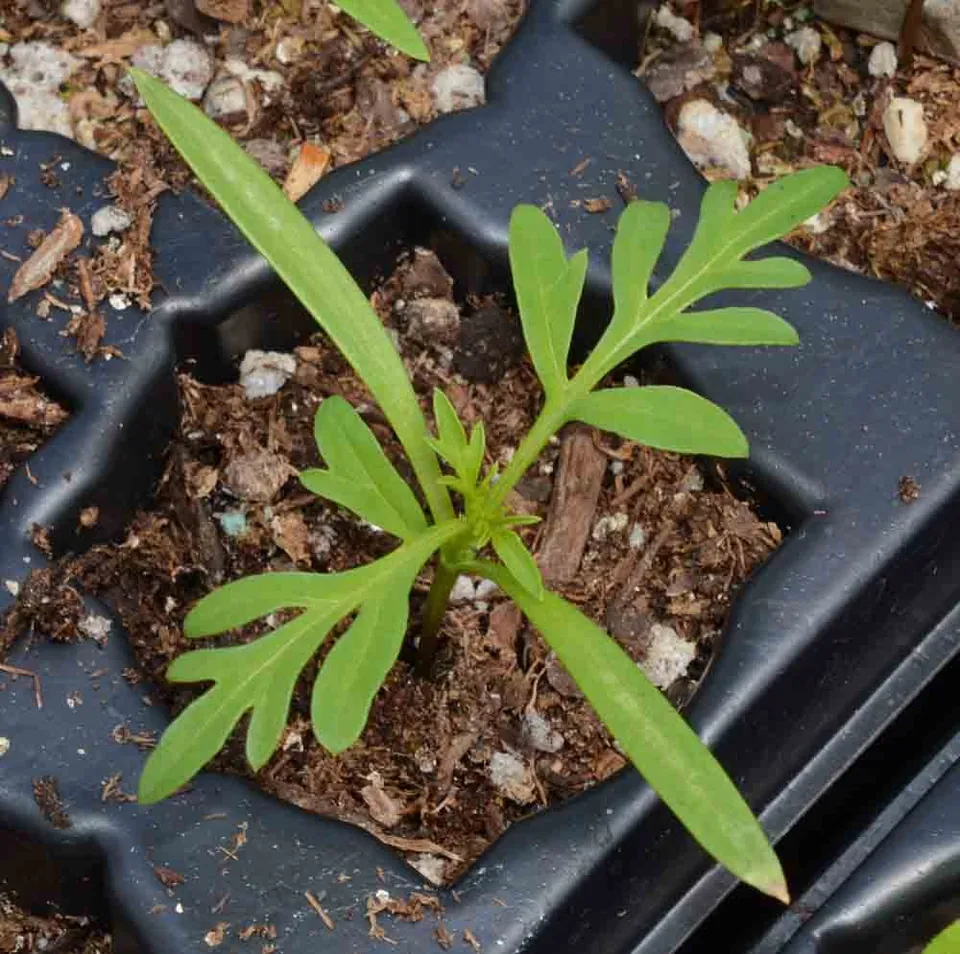
To fill the bed while you wait, sow fast annuals like zinnias, cosmos and calendula between the young perennials. They bloom in about two months and come out at frost.
Problems and fixes
- Nothing came up. Usually the seed was buried too deep or dried out. Surface-sow light-needing seeds and keep the mix evenly damp. For columbine and bergamot, try the fridge treatment, or sow outdoors in fall.
- Tall, floppy seedlings. Not enough light. Move the light closer or extend the hours.
- Seedlings rotted at the base. Mix too wet or too cold. Water from below, let the surface dry slightly between waterings, and give some air movement.
- Healthy plants, no flowers. In year one this is expected. In later years, check for too much shade or rich, heavily fed soil.
- White powder on bergamot leaves. That is powdery mildew, common on bergamot in late summer. Space plants for airflow, water the soil instead of the leaves, and cut affected stems down after flowering.
- Plants vanished after a few years. Short-lived perennials like columbine and black-eyed Susan age out. Let a few flowers set seed each year so new plants replace them.
Toxic plants to know about
Our flower seeds are for ornamental growing only and should never be eaten. Foxglove is poisonous in all parts. Columbine seeds and roots are poisonous. Four o'clock seeds and roots are toxic. All are safe to grow, but plant them away from where small children play and keep pets from chewing them.
Perennials fit naturally into a bed that feeds bees and hummingbirds for years; see how to combine them with annuals in our pollinator garden guide. For long-stemmed perennials to cut, the cut flower garden plan shows where shasta daisy and black-eyed Susan fit.
Frequently asked questions
Will perennials from seed bloom the first year? Most won't, or will bloom only lightly in late summer if started early indoors. Black-eyed Susan and Johnny jump ups are the reliable first-year bloomers. Plan on full flowers from the second summer.
Can I sow perennial seeds in spring instead of fall? Yes. Start them indoors 8-10 weeks before your last frost, or sow outdoors in early spring. Give columbine and bergamot their 3-4 weeks of cold in the refrigerator first.
Do perennials grown from seed come back true to type? Plants grown from open-pollinated seed come true to their variety. Their own seedlings may vary a little in later years if different colors or related plants grow nearby and cross.